Monday, July 12, 2010
Henry Coombes
Here's a trailer for new work by Henry Coombes. Something that might have been made at Glencoe...? His work is being installed at the Mack Museum this week. He's a graduate of GSA, and shows at Sorcha Dallas more info can be found here.


Sunday, July 11, 2010
Keeping Warm
20 Tips on Sleeping Warm in the Outdoors
Sleeping warm is one of the factors that can make or break a cold weather adventure. Remember the body cools down during sleep and the blood is drawn from the extremities (feet and hands) to the center or core of the body, so proper insulation must be provided to prevent heat loss.
To stay warm and get a good night's sleep on your next camping or backpacking trip, try some or all of the tips below
- Keep hydrated during the day and avoid drinking lots of fluids at night, so you won’t have to go to the bathroom in the middle of the night.
- If you must go, use a pee bottle, it’s better than exposing yourself to the elements. Just make sure you label the bottle! Besides, holding it in requires your body to waste energy (calories) trying to heat up the water in your bladder to 98.6 degrees.
- Eat a big dinner with lots of calories. Calories are a unit of heat, without them the furnace won’t burn hot.
- Keep a snack with you for the middle of the night, so if you do wake up cold you can replenish lost calories and warm back up again. (Editor's note: in bear country, always keep foods safely stored in air tight containers - away from tents - to avoid attacks.)
- Go to bed warm. Warm up by taking a brief hike around camp or doing some jumping jacks. If you wrap a frozen salmon in a sleeping bag, will it stay frozen? Yes, because your sleeping bag will insulate cold or heat, just like a Thermos.
- Select a protected campsite out of the wind and off the valley floor and other low areas where cold air settles. A good rule is to be about 50 feet above the valley floor.
- Fluff up your sleeping bag with vigor to gain maximum loft before you climb in.
- Use a good insulating pad between you and the ground. Studies show that what you have under you is more important in keeping you warm than what's on top of you.
- Wear a stocking hat to bed, you lose most of your body heat through your head.
- Keep your nose and mouth outside your sleeping bag. Your breath contains a great deal of moisture that can cause dampness to collect in the bag as you sleep. To keep your face warm, wear a balaclava or wrap a scarf around your face.
- Roll the moisture out of your bag each morning when you get up (roll from foot to head), then leave it open until it cools to air temperature. If weather permits, set it out to dry.
- Use a layered sleeping system (i.e. sleeping bag, liner, half bag, bivy sack). A layered system helps to remove the frost buildup that naturally occurs when your body warmth meets the cold air (a concern if you’re staying out multiple nights).
- Avoid overheating at night and make sure you go to bed dry. Being too warm produces perspiration, so vent your bag if needed or take off your stocking hat.
- Make sure your feet are as dry as possible before going to bed. This can be done by having a pair of dry sleeping socks or polarguard booties in your bag for sleeping only. Also, you can “dry” wash your feet with a good foot powder that contains aluminum chlorohydrate, which helps dry the skin and reduce perspiration.
- Use a “sleeping suit”, which is a clean and dry pair of long underwear stored in your sleeping bag.
- Wear loose fitting clothing to bed so it doesn’t restrict circulation.
- Keep your sleeping gear clean. Dirt clogs air spaces in the material and reduces insulation value making it harder to stay warm.
- If you have cold feet, sleep with your feet together in an elephant foot or half bag. It’s a bag that uses the principle of the buddy system, where the feet share heat instead of being isolated, much like mittens are warmer than gloves. The bag slips over your feet and legs and then drawstrings pull it shut or you could just use a fleece jacket wrapped around the same area.
- Fill a water bottle with hot water before you go to bed and then strategically place it at any cold spots in your sleeping bag. Just make sure it has a screw on lid like the Nalgene bottles. A variation of this is to use disposable heater packs or hand warmers, which costs a little extra money. Or, in the old days they would take some heated rocks from around the campfire and place them in a wool sock (just make sure they're not to hot, so they don’t burn you or your sock or melt your bag).
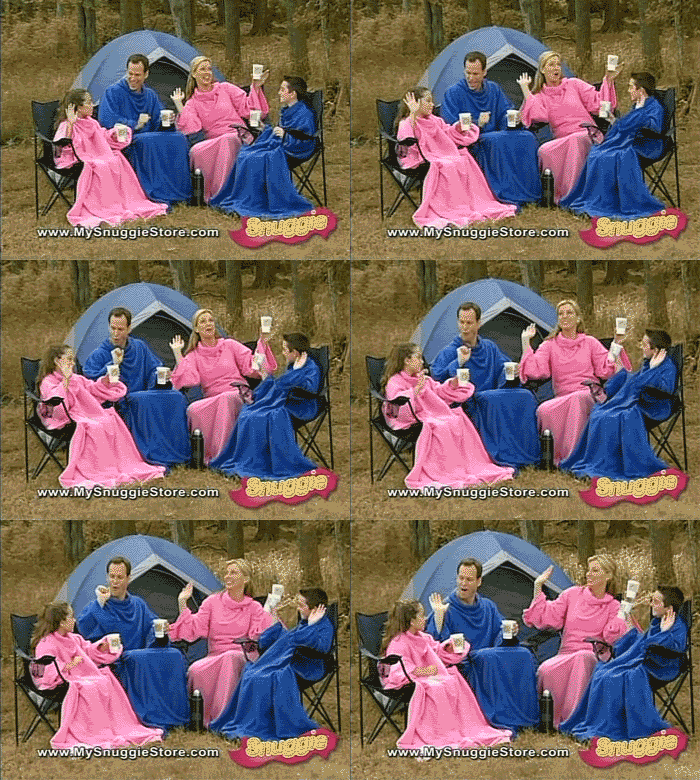
- Finally the old stand by...to stay warm snuggle up to someone or use the Buddy System (share warmth with others).
Friday, July 9, 2010
Glasgow Sculpture Studios and Gallery Info
Hello All,
Here's the information on the screening events happening next week at the Glasgow Sculpture Studios. Please note they require registration in order to save a seat - but they are free.
Also, Louise Briggs from the Studios recommends that you try to see the following shows, many of which were mentioned in Jenny Brownrigg's talk about the Glasgow art scene. Be sure to try to make it to Tramway to see the Christopher Buchel show.
Washington Garcia
SWG3 (these are both down the road from the Studios)
The Common Guild (a gallery based in Douglas Gordon’s home)
Pop down to Trongate 103 to Transmission, Streetlevel & Glasgow Print Studio (hit or miss with shows but good to see facilities)
Market gallery in the East end (artist run space)
Thursday, July 8, 2010
Wednesday, July 7, 2010


Sophie Calle
A blog by Sophie Calle concerning a trip to the North Pole. We'll be talking about her work in our next slide presentation. Part of the "Cape Farewell" Expedition in 2008 - an interesting take on travel.
Tuesday, July 6, 2010
Who You Gonna Call?

I'm not normally very suspicious, but I'm getting kind of nervous about camping in a place that's supposed to be so haunted. So I've been looking up ways to protect yourself from ghosts.
Salt seems to be the most often suggested way to get rid of ghosts. It's recommended you make a circle of salt around your dwelling to protect yourself from evil spirits. I don't know if these ghosts are actually evil, but I'm not taking any chances.
The second most commonly suggested way to get rid of ghosts is prayer, or a belief in God. Google "how to get rid of ghosts" and you will find lots of Yahoo/WikiAnswers-type forums telling inquiring minds that in order to prevent being haunted, they should pray, and if that fails, perform an exorcism.
Planting houseleeks (also called Liveforever, from the Latin sempervivum) on your roof keeps ghosts out because the dead cannot go near them. Not very helpful if you're in a tent, though.
Apparently building a fire helps too, which sounds like a good way to keep ghosts away from the campsite. A lot of sources I've found also suggest simply telling the ghost to go away and leave you alone.
The Chinese have numerous ways of keeping evil spirits away, including wearing red underwear or shoes, wearing a strand of forty-nine garlic bundles on your head, wearing jade or crystal, carrying 36 pieces of rice, and eating pig's feet. They also suggest that if you're going to a place that's known to be haunted, you don't wear clothing with your name on it, turn around if someone taps you on the shoulder, shine flashlights into trees, or lie on your stomach on the ground.
If you can't or don't want to get rid of ghosts altogether, but want them to behave better, try planting lilies, or burying apples at a crossroads near your home at midnight.
Other websites suggest hanging rowan and St. John's wort over doorways, crossing over moving water, carrying a sprig of rosemary inside a seashell and bound with red thread, and refusing to believe in ghosts.
Don't try to use smells to scare it away though. Apparently that won't work.
Better Late Than Never...
 I bought a book at Hill House called Seven Happy Days: A Series of Drawings by Jessie M. King.

 I'm not usually interested in this kind of illustration, but something about being in Scotland is making me appreciate how delicate it all is. Plus I love her use of metallics.
Ok, so its not shelter related, but...
Prince is currently set to release his latest album, “20Ten,” for free through various European print media, including the Daily Mirror and its Scottish affiliate, the Daily Record. Fans can snag their copy this Saturday via the different press outlets, but you they certainly won’t find any of the new material online.
More here.
More here.

Campsite Layouts


I'm interested in our ideas for a proposed camp layout. We left the idea sort of open ended when we last talked as a group. Do you think we should have a sort of camp HS map?
THURSDAY Gallery Visit
I'm thinking that, depending on our progress with the tents, on Thursday we should get out of the studio and do a gallery walk with The Modern Institute as our destination.
Monday, July 5, 2010


Sunday, July 4, 2010
Flags from St. Giles


Saturday, July 3, 2010
Week #2
Week #2 is over. I'm not sure we could have crammed more into it.
Some shots from the studio:


Awesome tents-to-be.


Studio work, plain and simple.


Hillside walk near Loch Lomand - a practice run for Glencoe.
Then there's this:
Some shots from the studio:

Schedule from hell.

Awesome tents-to-be.


Studio work, plain and simple.

An incredible reading by author/comedian A.L.Kennedy


Hillside walk near Loch Lomand - a practice run for Glencoe.
Then there's this:
Friday, July 2, 2010
ok so apparently i posted a fishing lure and not an actual bug. im dumb. Anyways, we got the skeletons of our tents basically done, so now were gonna build the actual fabric walls i guess. thats gonna be hard, especially cuz i dunno how to sow. Matt taught me but I still dont really get it.
We took a bus to a hill out in the countryside today and got a feel for how the hiking is going to be. Scotland is reaaaaal hilly, im excited!
this is promising:
Midge- The Ceratopogonidae (biting midges) are serious biting pests, and can spread the livestock diseases Blue Tongue and African Horse Sickness
Wednesday, June 30, 2010


Subscribe to:
Posts (Atom)